Pipeline Manufacturer Spotlight: Discover the Best in the Sector for Your Next Task
In the domain of pipeline manufacturing, the choice of producer can considerably influence the outcome of your task. With a range of firms providing sophisticated materials and cutting-edge services, understanding the crucial criteria for selection comes to be vital. Industry leaders like Tenaris, Vallourec, and U.S. Steel go to the leading edge of supplying trustworthy and sustainable options. Nevertheless, the inquiry stays: what specific factors should guide your decision-making process, and how do these suppliers differentiate themselves in a progressively open market? Exploring these aspects may expose understandings that can influence your following task's success.
Market Summary
In the pipeline manufacturing industry, there exists a dynamic interaction of technological developments and regulatory requirements that shapes industry practices. This market is crucial for the transport of oil, gas, water, and various other fluids, requiring a robust understanding of both material buildings and ecological influences. Manufacturers are progressively integrating innovative materials and innovative production strategies to improve the durability and effectiveness of pipes, guaranteeing they can withstand differing stress and ecological conditions.
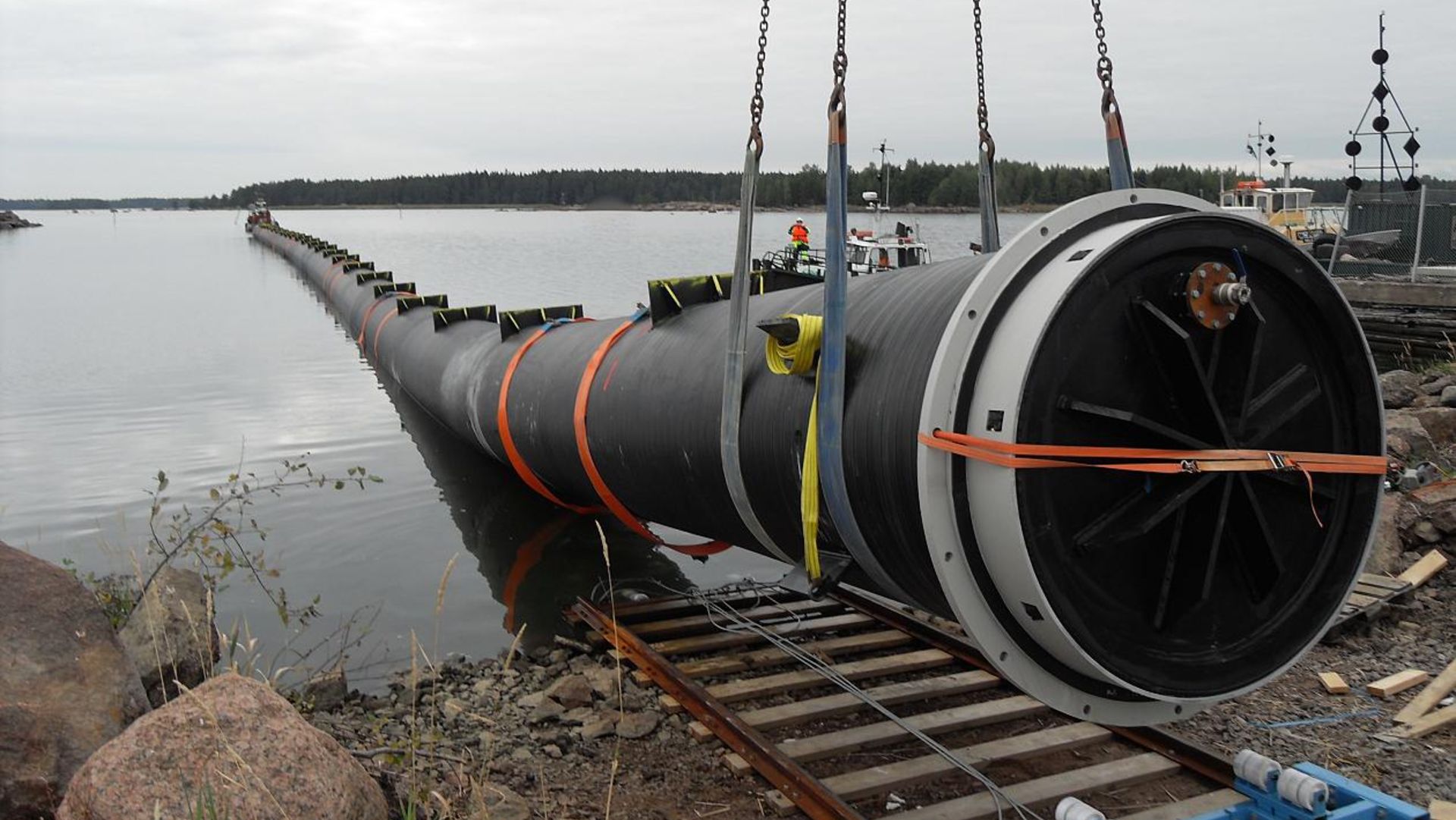
In enhancement, the increase of digital innovations has changed traditional manufacturing processes, enabling improved surveillance and anticipating upkeep. This change not just increases operational effectiveness yet also aids in reducing potential failures before they intensify into essential issues. In general, the landscape of pipeline manufacturing is characterized by a constant advancement driven by advancement and conformity, positioning the market for future development and sustainability.
Trick Criteria for Option
Choosing the appropriate pipeline producer includes mindful factor to consider of several crucial requirements that ensure reliability, performance, and compliance with industry requirements. Most importantly, analyze the producer's experience and track record within the market. A well-established company with a tried and tested record is more probable to deliver premium services and products.
Next, evaluate the variety of specifications and products supplied. Manufacturers must supply a range of choices that satisfy varied task demands, consisting of various pipeline dimensions, materials, and finishing systems. Compliance with relevant sector criteria, such as ASTM or API, is crucial, as it guarantees the items satisfy security and performance benchmarks.
Additionally, consider the supplier's technical capabilities. Advanced manufacturing methods and high quality control steps can considerably impact the resilience and efficiency of the pipelines. Customer support and support are additionally essential; a receptive and experienced group can promote smoother project execution and attend to any problems quickly.
Evaluate rates structures and lead times. While cost-effectiveness is vital, it should not endanger quality. Stabilizing these requirements will certainly result in a well-informed choice that aligns with job objectives and regulative demands.
Top Pipeline Manufacturers
In the affordable landscape of pipeline manufacturing, numerous market leaders attract attention for their ingenious innovations and dedication to sustainability. These top makers not only stand out in supplying high-quality products yet also prioritize eco responsible techniques in their operations. An introduction of their payments offers useful understandings right into the future of pipeline solutions.
Market Leaders Introduction
How do sector leaders form the pipeline manufacturing landscape? The top pipeline manufacturers play an important function in establishing sector standards, driving advancement, and assuring quality guarantee throughout the supply chain. Business such as Tenaris, Vallourec, and united state Steel have set criteria for sustainability, safety and security, and performance, affecting not simply their procedures but also their competitors.
These leaders spend considerably in r & d to enhance item longevity and performance. Their commitment to adhering to regulatory conformity and global standards cultivates customer trust and encourages industry-wide fostering of finest techniques. In addition, they typically work together with stakeholders, consisting of engineers and building and construction companies, to guarantee that their products satisfy details project demands and environmental considerations.
Market leaders likewise focus on consumer relationships, supplying customized options and remarkable solution, which strengthens their market position. By leveraging economic situations of range, they can provide affordable pricing without jeopardizing high quality. Inevitably, the influence of these suppliers extends past their products; they shape the future of pipeline modern technology and manufacturing processes, ensuring a resilient and lasting infrastructure for different markets worldwide.
Innovative Technologies Supplied
What cutting-edge technologies are changing the pipeline manufacturing market? In the last few years, leading pipeline manufacturers have actually welcomed sophisticated modern technologies to improve efficiency, dependability, and safety in their operations. One substantial development is the combination of smart pipeline tracking systems, making use of Internet of Things (IoT) sensing units. These systems offer real-time information on pipeline problems, allowing aggressive upkeep and reducing the risk of leakages or failings.
In addition, manufacturers are progressively taking on innovative materials, such as composite pipes, which supply enhanced longevity and resistance to corrosion. These materials not only prolong the life expectancy of pipes yet also decrease operational expenses in time. In addition, additive manufacturing, or 3D printing, is transforming the production process. This innovation enables for fast prototyping and personalization of parts, simplifying supply chains and minimizing waste.
Expert system (AI) and equipment understanding formulas are additionally acquiring grip, enhancing style processes and predictive maintenance timetables. By evaluating huge datasets, these innovations assist identify potential issues before they occur, improving safety and functional performance. As these ingenious technologies continue to evolve, they assure to form the future of pipeline manufacturing, making sure that projects can be finished promptly and within budget plan while maintaining miraculous safety and security requirements.
Sustainability Practices Highlighted
The ongoing developments in ingenious modern technologies within the pipeline manufacturing industry are enhanced by an expanding emphasis on sustainability practices amongst top producers. These companies are significantly adopting environmentally friendly approaches, minimizing waste, and reducing their carbon impacts throughout the manufacturing procedure.
Leading makers are prioritizing the usage of recycled materials, boosting the lifecycle of their products. By applying closed-loop systems, they effectively utilize sources, thereby reducing the environmental effect connected with raw product removal and processing. In addition, numerous companies are buying sustainable power sources to power their procedures, further minimizing greenhouse gas exhausts.
Pipeline manufacturers are accepting innovative coatings and materials that enhance rust resistance and long life, which inevitably decreases the frequency of replacements and fixings. These lasting techniques not only contribute to environmental stewardship however likewise straighten with the growing governing needs and market assumptions for liable manufacturing.
Cooperation with stakeholders to cultivate sustainability campaigns showcases a dedication to a greener future. By focusing on lasting techniques, leading pipeline suppliers are not just boosting their functional effectiveness yet additionally establishing a standard for sector requirements, promoting a more sustainable pipeline infrastructure for all.
Innovative Technologies
The pipeline industry is witnessing a transformative change with the combination of ingenious innovations, especially in advanced materials advancement and smart pipeline surveillance systems. These advancements not just boost the longevity and efficiency of pipes however likewise improve safety and ecological stewardship. As producers accept these advanced solutions, the future of pipeline framework looks significantly appealing.
Advanced Products Advancement
Developments in advanced products advancement are revolutionizing the pipeline manufacturing sector, driving enhancements in performance, performance, and longevity. The development of composite materials and high-strength alloys has actually enabled the manufacturing of pipes that can hold up against extreme problems, consisting of high pressure and corrosive settings. These materials not only expand the lifespan of pipes but likewise lower maintenance prices, inevitably causing boosted operational effectiveness.

Moreover, improvements in polymer scientific research have resulted in the development of light-weight, adaptable piping systems that are easier to install and deliver. These innovations add to lower carbon footprints in pipeline jobs, aligning with worldwide sustainability goals. On top of that, the combination of nanotechnology in material advancement is opening up new opportunities for improving the mechanical residential or commercial properties of standard products, leading to pipes that can withstand greater stress while maintaining integrity.
As manufacturers proceed to spend in study and advancement, the pipeline market is seeing an unmatched evolution in material capacities. This concentrate on sophisticated materials not only sustains the growing demand for reliable infrastructure yet likewise fosters a competitive landscape in which business can distinguish themselves through premium item offerings. The future of pipeline manufacturing is certainly linked with these groundbreaking improvements.
Smart Pipeline Checking Solutions
Smart pipeline monitoring systems are changing the landscape of pipeline administration by integrating sophisticated technologies such as IoT sensors, expert system, and real-time information analytics. HDPE Pipe Supplier. These systems enable drivers to keep track of the integrity and efficiency of pipelines constantly, noticeably reducing the threat of failures and leakages
Through the release of IoT sensors along pipeline courses, operators collect important information on temperature, circulation, and pressure rates. This data is transferred in real-time to centralized tracking systems, enabling prompt assessment and reaction to abnormalities. Advanced expert system formulas analyze this information to recognize patterns, predict prospective issues, and recommend preventative actions before they escalate right into costly troubles.
The application of clever monitoring systems not only improves functional performance but likewise cultivates conformity with regulatory standards. By offering in-depth records and understandings, these technologies support much better decision-making and danger monitoring. In addition, the assimilation of artificial intelligence abilities allows systems to enhance gradually, adapting to altering conditions and improving predictive accuracy.
As the market remains to accept these innovations, clever pipeline surveillance systems are positioned to play a crucial duty in ensuring the safety and security, reliability, and sustainability of pipeline infrastructure. Pipeline Manufacturer.
Study of Success
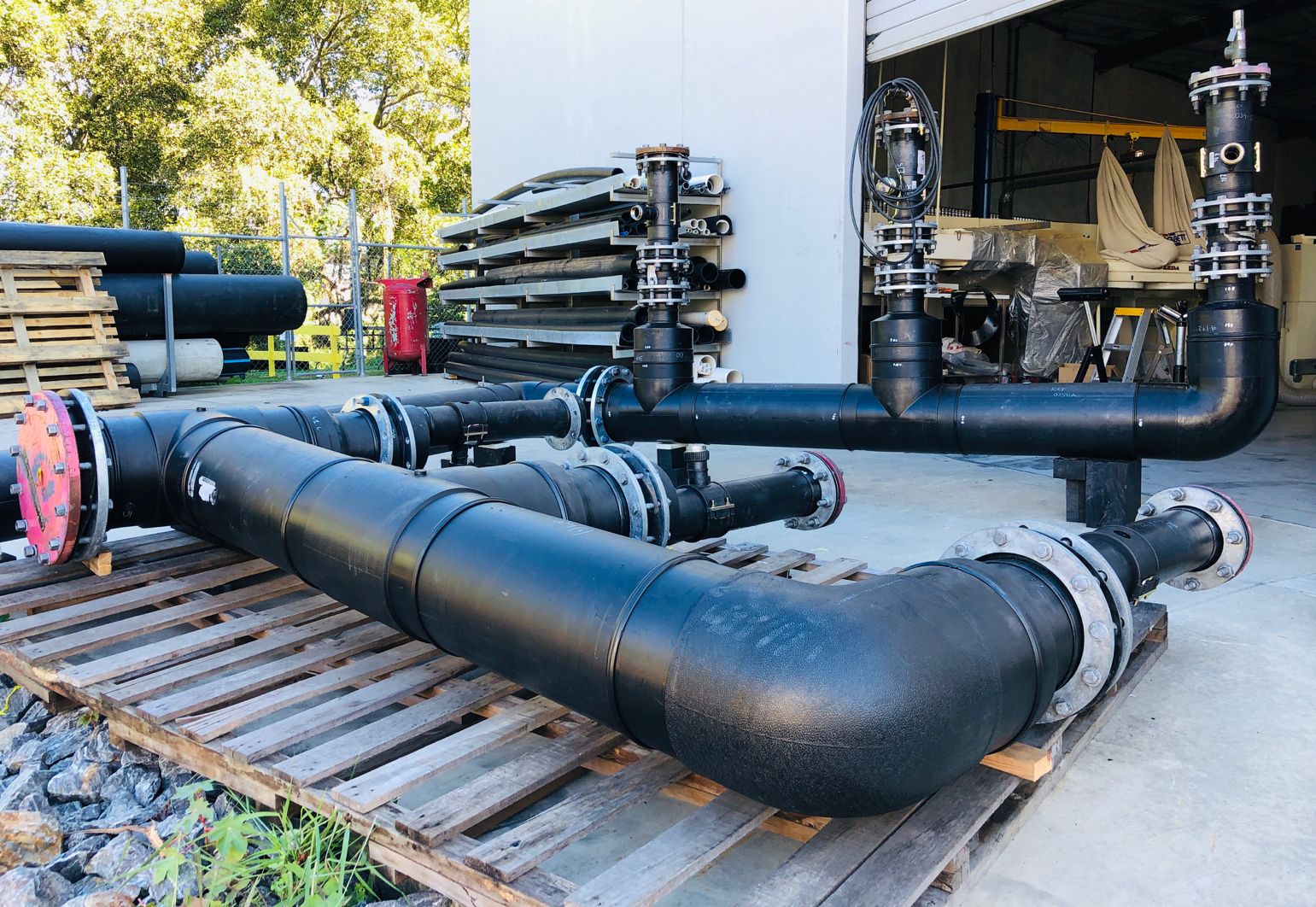
Success stories within the pipeline manufacturing industry light up the effectiveness of cutting-edge options and partnership amongst stakeholders. One significant case is the collaboration between a leading supplier and an oil business to implement a state-of-the-art wise pipeline monitoring system. The task considerably lowered leak discovery times and enhanced functional effectiveness, showcasing the worth of sophisticated modern technology in enhancing safety and security and decreasing prices.
One more instance involves a maker that efficiently integrated lasting materials into their pipeline building and construction. By working together with study establishments, they established a composite product that is not only resilient yet also eco-friendly. This innovation not only satisfied regulative needs but likewise brought in brand-new clients seeking lasting remedies.
A pipeline project in a difficult geographical area showed the relevance of adaptive engineering strategies. The supplier teamed up with regional engineers to create a pipe that could withstand severe climate condition, inevitably avoiding solution disturbances and guaranteeing reliability for end-users.
These study exemplify how critical partnerships, technical developments, and flexible remedies in the pipeline manufacturing market result in successful job results, therefore reinforcing the market's commitment to delivering premium facilities while dealing with client needs successfully.
Sustainability Practices
As the pipeline manufacturing market progresses, the assimilation of sustainability practices has actually ended up being increasingly vital. Manufacturers are embracing environment-friendly materials and processes to decrease their environmental influence while preserving high standards of high quality and safety. This change is driven by both regulative needs and a growing understanding of environmental obligation amongst stakeholders.
One noticeable strategy is making use of recycled materials in pipeline production, which lowers the demand for virgin sources and lowers waste. Companies are also purchasing energy-efficient manufacturing strategies, consequently reducing their carbon footprint throughout manufacturing. Additionally, lots of makers have actually adopted water preservation methods, making certain that water usage is reduced and wastewater is treated effectively.
Sustainable transport methods are being made use of to deliver materials, consisting of maximizing logistics to minimize discharges. The dedication to lifecycle assessments permits producers to examine the ecological influence of their items from inception to disposal, promoting not only sustainability yet additionally lasting economic practicality.
Eventually, the fostering of sustainability methods in pipeline manufacturing indicates an important step toward lining up market operations with worldwide environmental goals, making sure that future projects are both responsible and innovative - HDPE Pipe Supplies Midland TX. - HDPE Pipe Supplier
Future Fads in Pipeline Manufacturing
What innovations are on the horizon for pipeline manufacturing? As the industry develops, several crucial fads are forming the future of pipeline manufacturing. Initially, the combination of sophisticated materials such as composite pipes promises improved toughness and resistance to rust, consequently prolonging the life expectancy of pipelines. These products not only lower maintenance expenses but also improve safety and security requirements.

Sustainability continues to be an important focus, with producers increasingly focusing on green practices. The advancement of eco-friendly materials and the application of reusing programs are gaining traction, lining up with international ecological objectives.
Frequently Asked Concerns
What Products Are Commonly Used in Pipeline Manufacturing?
Typical products made use of in pipeline manufacturing consist of carbon steel, stainless-steel, polyethylene, and pliable iron (American Plastics LLC HDPE Pipeline Manufacturer). Each product supplies distinct advantages relating to toughness, rust resistance, and viability for various applications within the pipeline industry
The length of time Does the Pipeline Manufacturing Refine Generally Take?
The pipeline manufacturing procedure commonly ranges from a few weeks to a number of months, relying on variables such as product selection, production capacity, and personalization requirements. Efficient planning and sychronisation can greatly influence the general timeline.
What Are the A Lot Of Common Pipeline Sizes Available?
The most typical pipeline sizes vary from 2 inches to 48 inches in size. Irregularity exists based upon details applications, industry requirements, and local needs, guaranteeing flexibility to meet diverse project needs and functional demands.
Exist Service Warranties Supplied on Pipeline Products?
Yes, several pipeline suppliers use service warranties on their products, commonly covering product flaws and craftsmanship. The duration and terms of these service warranties differ by maker, so it is important to examine certain policies prior to acquisition.
Exactly how Do I Guarantee Proper Installment of Pipes?
To ensure proper installation of pipes, comply with industry criteria, use qualified specialists, carry out complete site analyses, carry out high quality control measures, and safe and secure compliance with regulations. Normal assessments and maintenance better improve pipeline performance and durability.
Pipeline manufacturers are welcoming advanced coatings and products that enhance corrosion resistance and durability, which ultimately lowers the frequency of substitutes and repairs. The pipeline market is experiencing a transformative shift with the integration of ingenious modern technologies, especially in innovative materials advancement and clever pipeline tracking systems. As suppliers continue to spend in research and advancement, the pipeline sector is witnessing an extraordinary evolution in product capacities. Smart pipeline monitoring systems are changing the landscape of pipeline monitoring by integrating advanced technologies such as IoT sensing units, artificial knowledge, and real-time information analytics. Yes, many pipeline producers provide guarantees on their items, typically covering material flaws and handiwork.